Author: admin
-
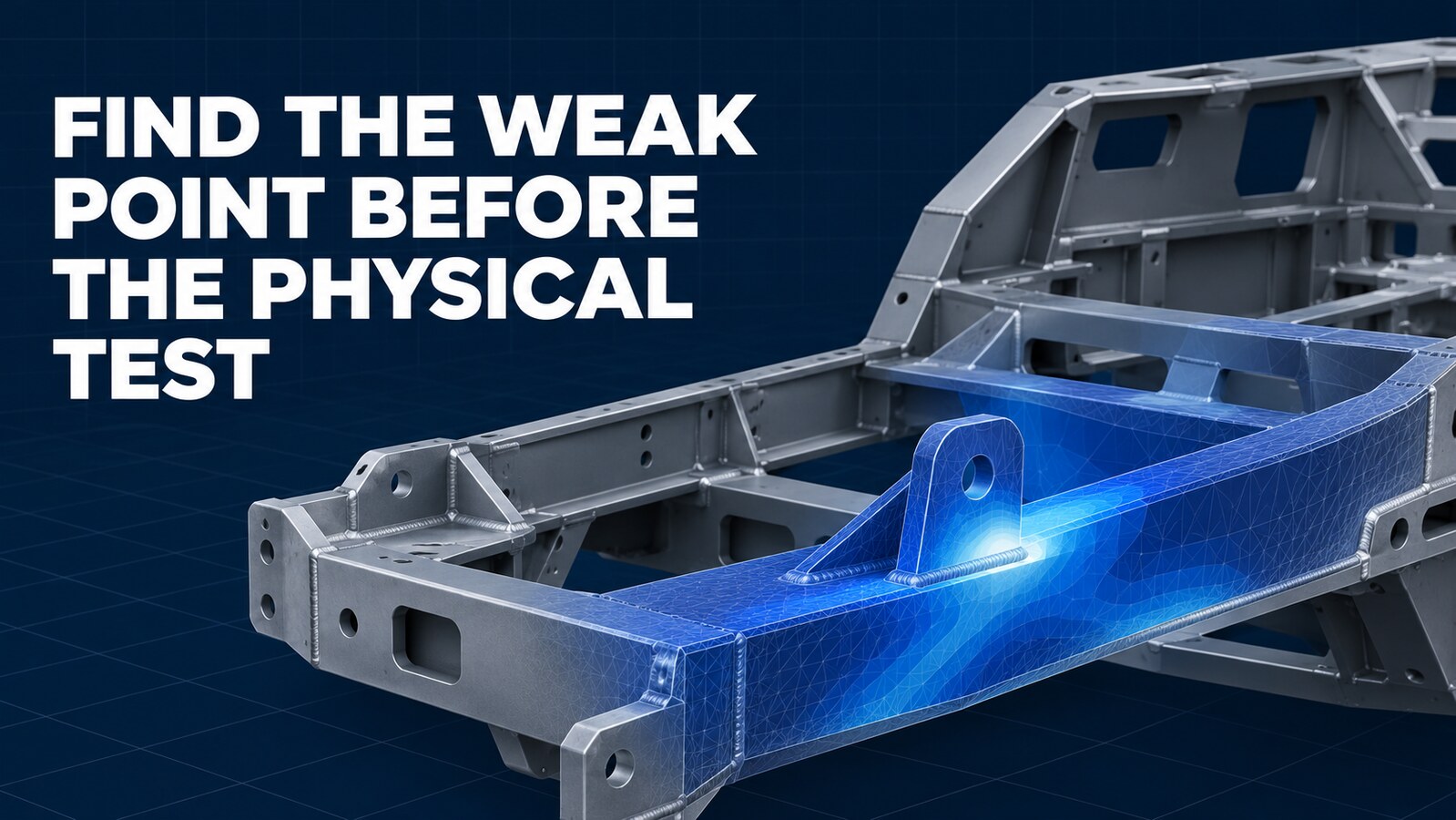
Find Structural Weaknesses Before Prototype Testing
A prototype can look ready and still fail at a bracket, weld, joint or mounting point when the real load arrives. Engineering simulation helps teams expose those weaknesses earlier—before machining, assembly and a costly physical test programme. The useful result is not a colourful stress plot A credible structural assessment begins with the actual design…
-
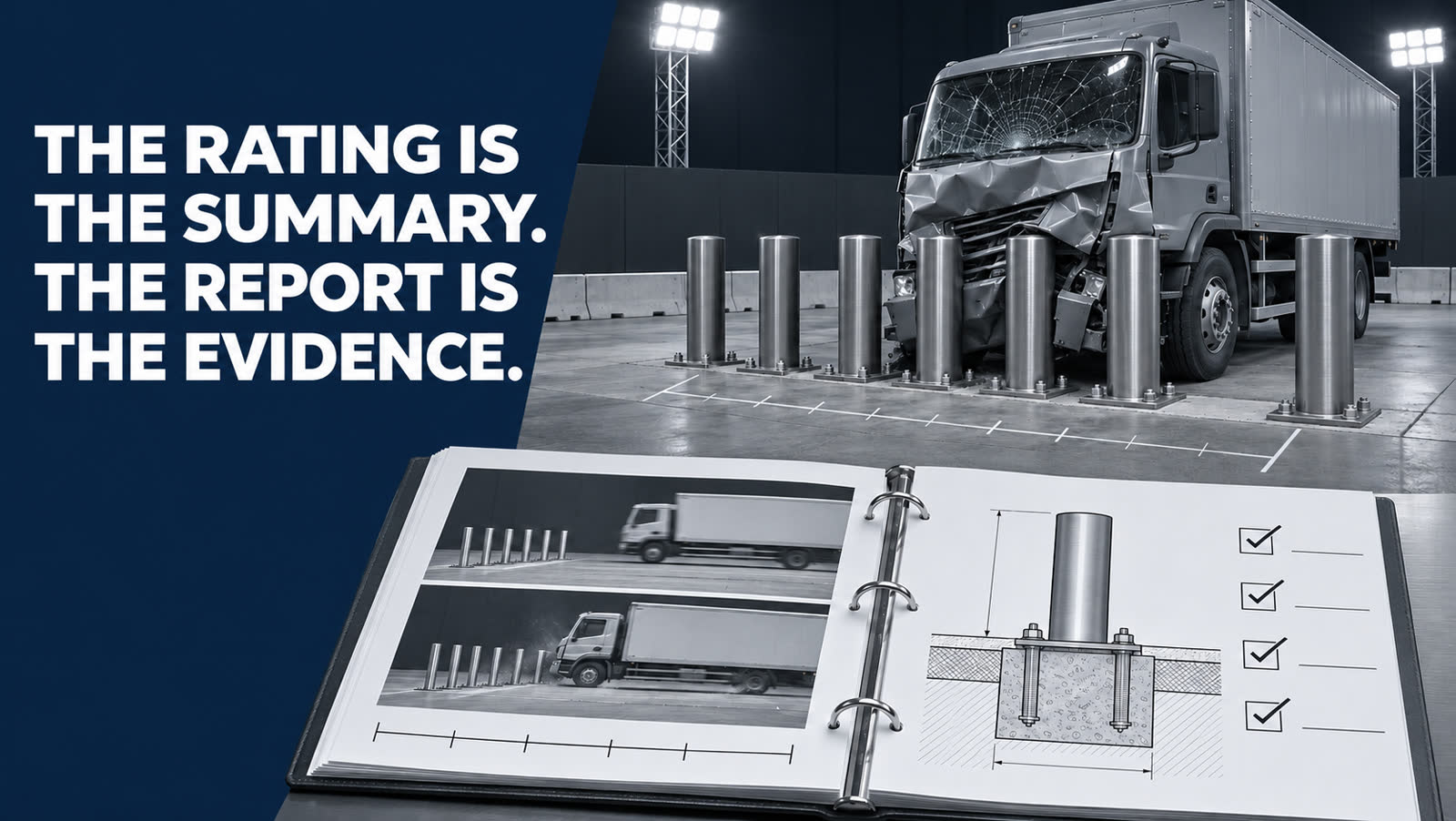
HVM Test Reports: What Specifiers Should Check Before Approval
A performance rating can fit neatly into a specification while the tested product does not fit the project. An HVM test report review is therefore essential before a bollard, blocker or gate is approved—not after procurement has started. Confirm exactly what was tested Start with product identity. Check the manufacturer, model, designation and tested configuration:…
-
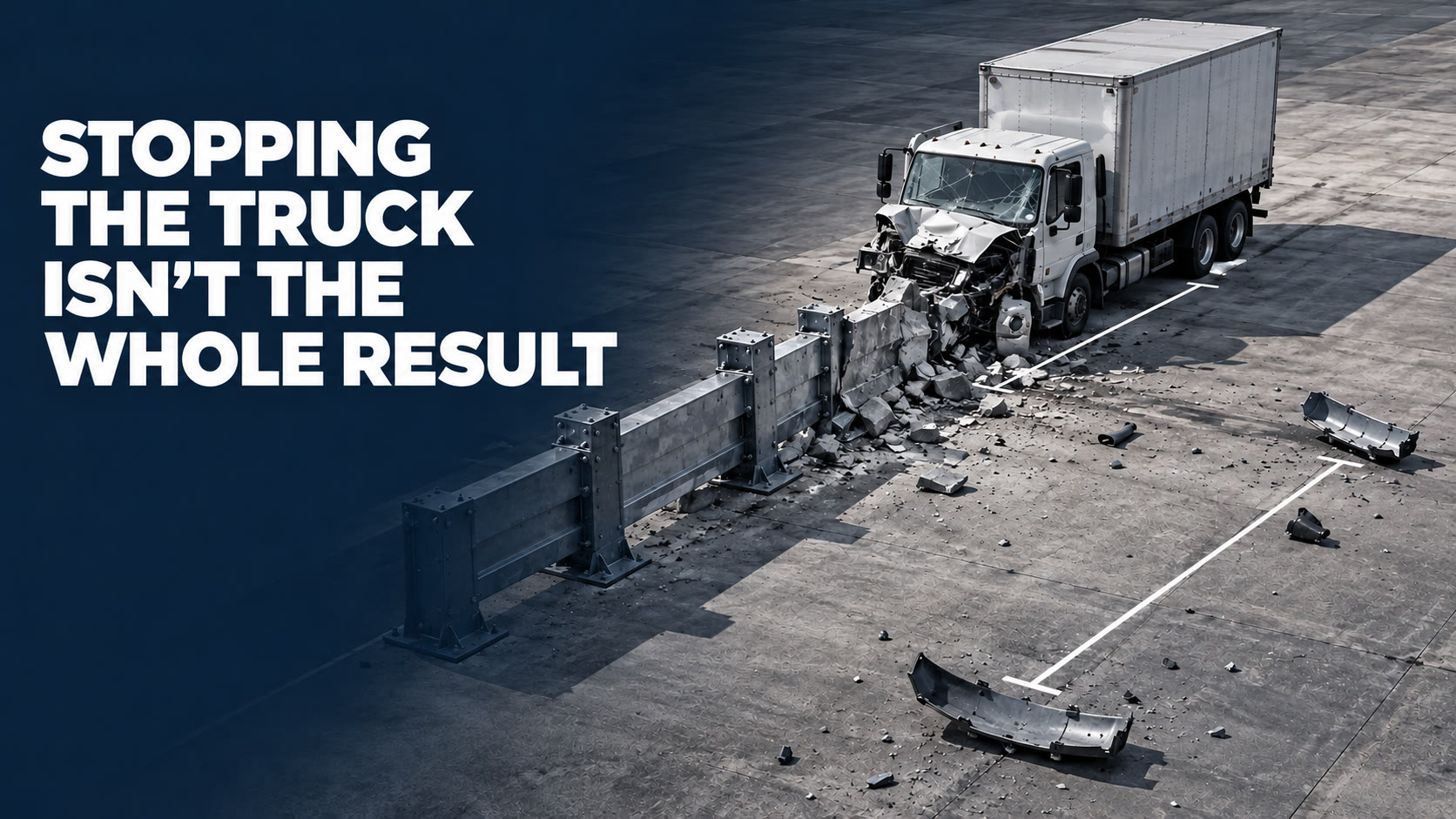
HVM Penetration and Debris: What the Test Result Must Show
A barrier can stop the vehicle and still leave an unacceptable result on the protected side. HVM penetration distance shows how far the vehicle reaches beyond the barrier datum, while major debris dispersion shows where significant detached parts finally travel. Both can affect the usable stand-off behind the barrier. Penetration is more than “stopped” The…
-
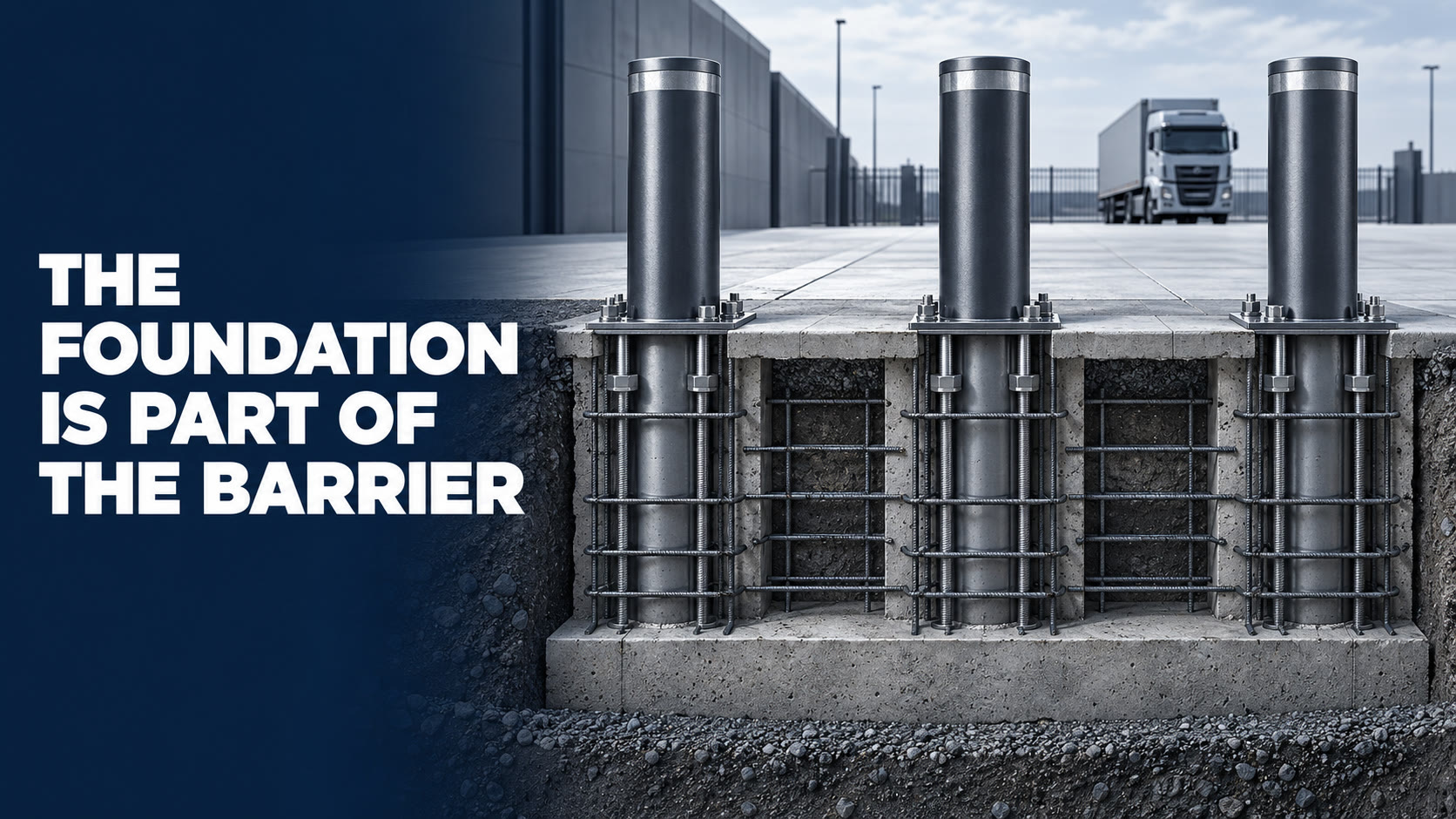
HVM Foundations: Why Installation Must Match the Tested System
A rated bollard installed on the wrong base is no longer the same tested system. The HVM barrier foundation is part of the impact load path, so changes below ground can matter as much as changes to the visible steel above it. The rating belongs to a complete configuration During impact, forces move from the…
-

HVM Impact-Test Preparation: Verify the Design Before the Truck Arrives
HVM Impact-Test Preparation: Verify the Design Before the Truck Arrives A full-scale vehicle impact test is too expensive to use as the first serious design review. Good HVM impact-test preparation should expose avoidable weaknesses before the truck, test barrier and instrumented site are booked. Define the exact test condition Preparation starts with the intended rating…
-
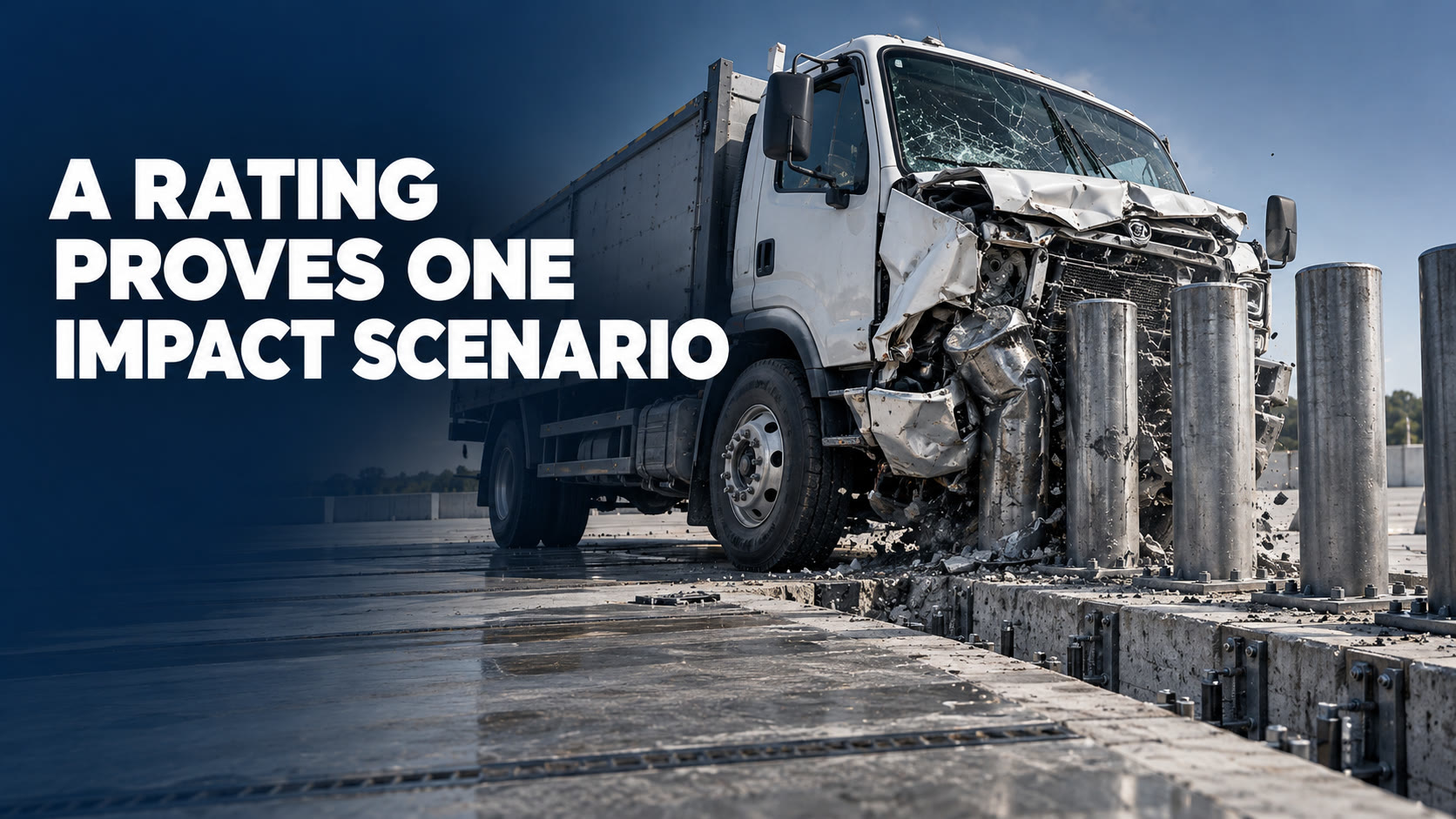
HVM Impact Testing: What a Vehicle Security Barrier Rating Really Proves
A security barrier may carry an impressive rating, but what does that rating actually prove for your project? HVM impact testing demonstrates performance under one defined combination of vehicle type, mass, impact speed, angle and installation condition. It is evidence—not a promise that every site configuration will behave identically. What the rating records ISO 22343-1:2023…
-

Data Centre Cooling CFD Analysis
Cooling Capacity Is Not Cooling Performance Data centre cooling CFD analysis helps engineering consultants see what cooling-capacity figures alone cannot reveal: where air actually travels inside the facility. Even when installed cooling capacity appears sufficient, poor airflow distribution can create hot spots, short-circuiting, recirculation and uneven inlet temperatures. These local effects may reduce equipment reliability…
-

Thermal Comfort Is More Than Room Temperature
Thermal comfort CFD analysis helps engineering consultants answer a question that room-average temperatures cannot: how will occupants actually experience the space? Comfort depends on more than the thermostat setting. Air speed, temperature distribution, radiant effects, diffuser placement, solar loads, occupancy and internal heat gains can create draughts, stagnant zones or uneven conditions even when the…
-

Smoke Management CFD: Testing the Design Before It Reaches Site
Previous Next Smoke management CFD analysis helps engineering consultants understandhow smoke, heat and replacement air may behave before a design reachesconstruction. For atriums, car parks and other complex spaces, thiscan reveal interactions that drawings alone may not show. What should the study test? A useful simulation is built around clear engineering questions.Depending on the project, these may…
-
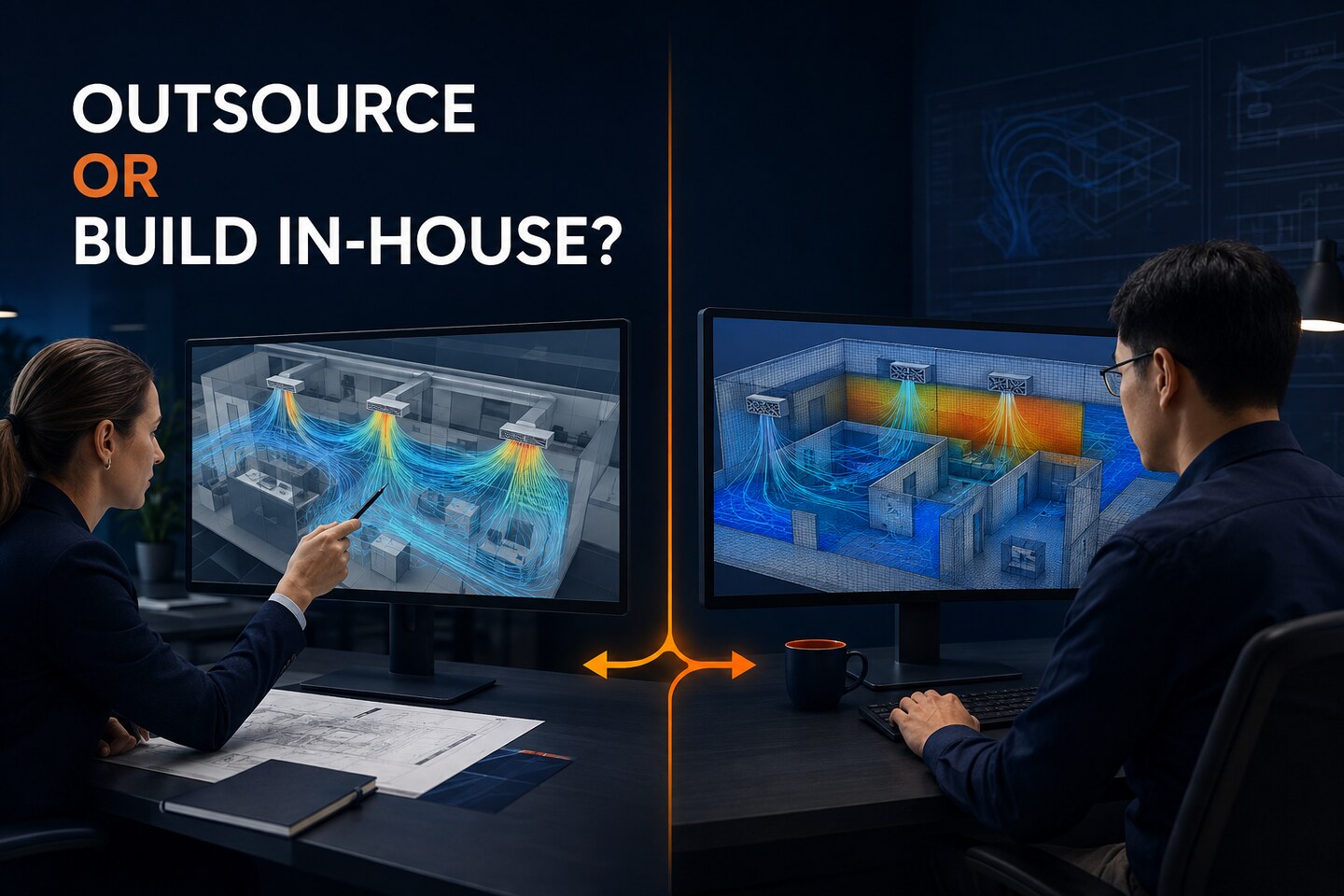
Outsource CFD vs Build Internal Capability with CRADLE
Deciding whether to outsource CFD or build internal capability is not simply a software decision. For engineering consultants, the right choice depends on workload, deadlines, project frequency and the expertise already available in the team. Outsource when capacity or specialist expertise is the constraint External CFD support is usually the practical choice when: Project demand…